July 24, 2026 · 6 min read
Multiplayer AI: From Private Prompts to Shared Work
Why shared agent sessions need a new collaboration layer.
Field Notes Editorial

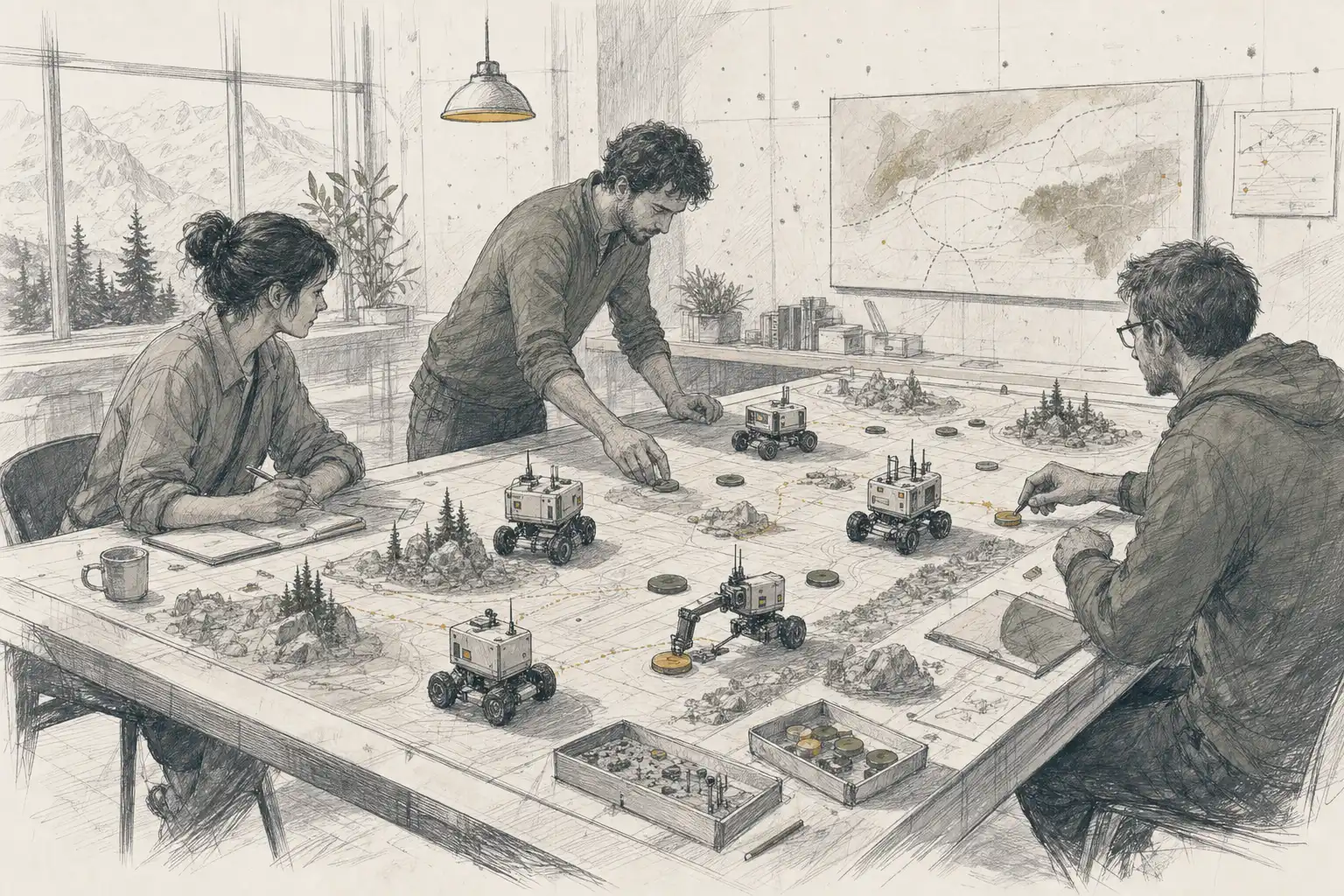
Today's AI experience is private: one person, one thread, and one invisible work state. That works for short questions, but not for agents that operate for hours and cross several disciplines.
Multiplayer does not begin with several avatars in one chat. It begins with a shared object model for goals, intermediate work, decisions, files, approvals, and responsibility. Every participant needs to see what an agent knows, what it is doing, and who authorized a change in direction.
The central design problem is the handoff. Strong systems let people and agents explicitly take, release, or pause work. Presence alone is insufficient; teams need roles, notification rules, traceable interventions, and reversible actions.
This creates a category between collaboration software, workflow systems, and agent runtimes. Its strongest advantage is not faster chatting but shared memory that turns private threads into accountable team work.
Related content
03 developer tools
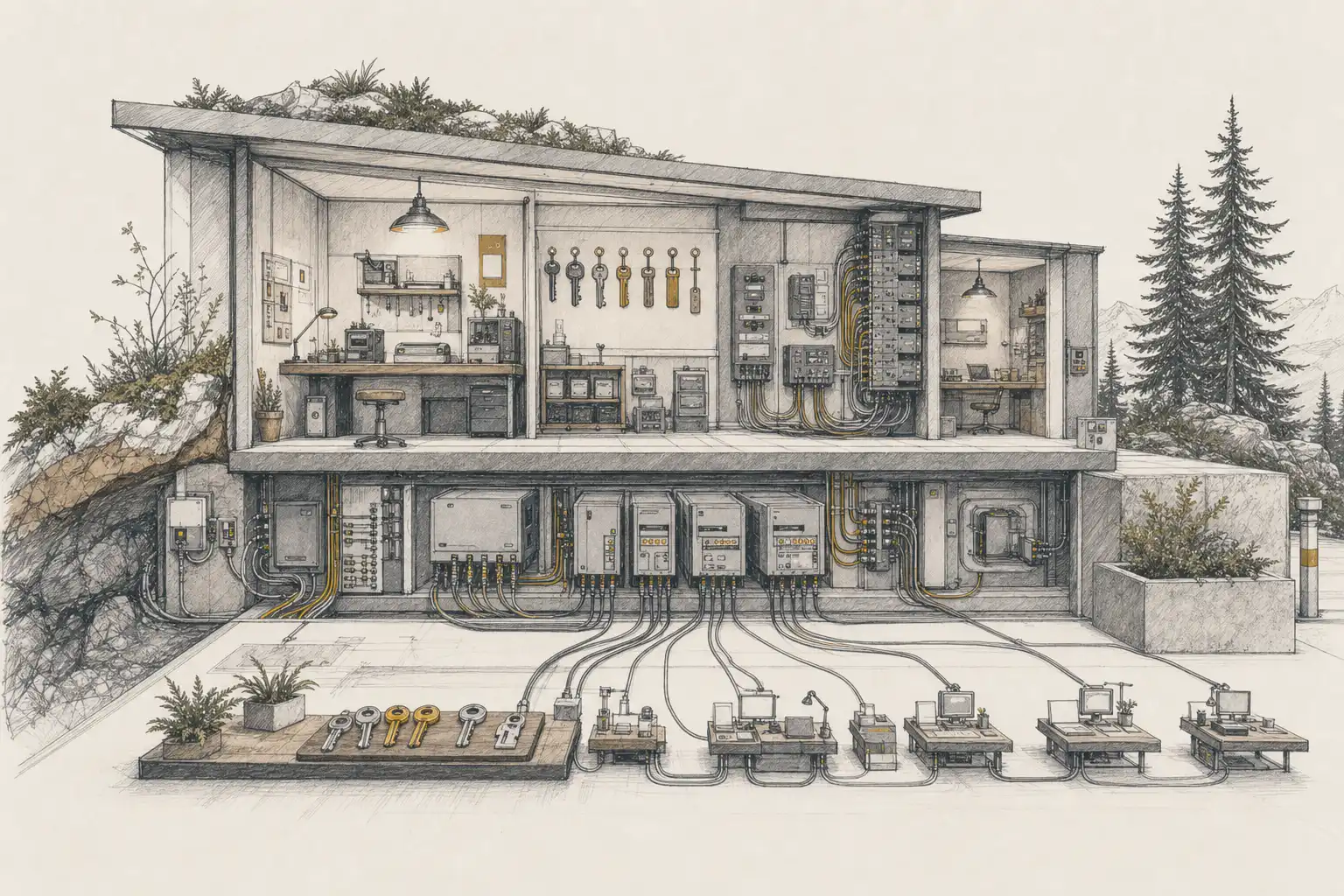
A Cloud for Small Software
Agents make bespoke tools easy to create, while deployment, permissions, and secure sharing remain needlessly difficult.
04 multiplayer ai
Multiplayer AI
Teams should be able to share live agent sessions, observe progress, intervene, and hand work to one another.
13 developer tools
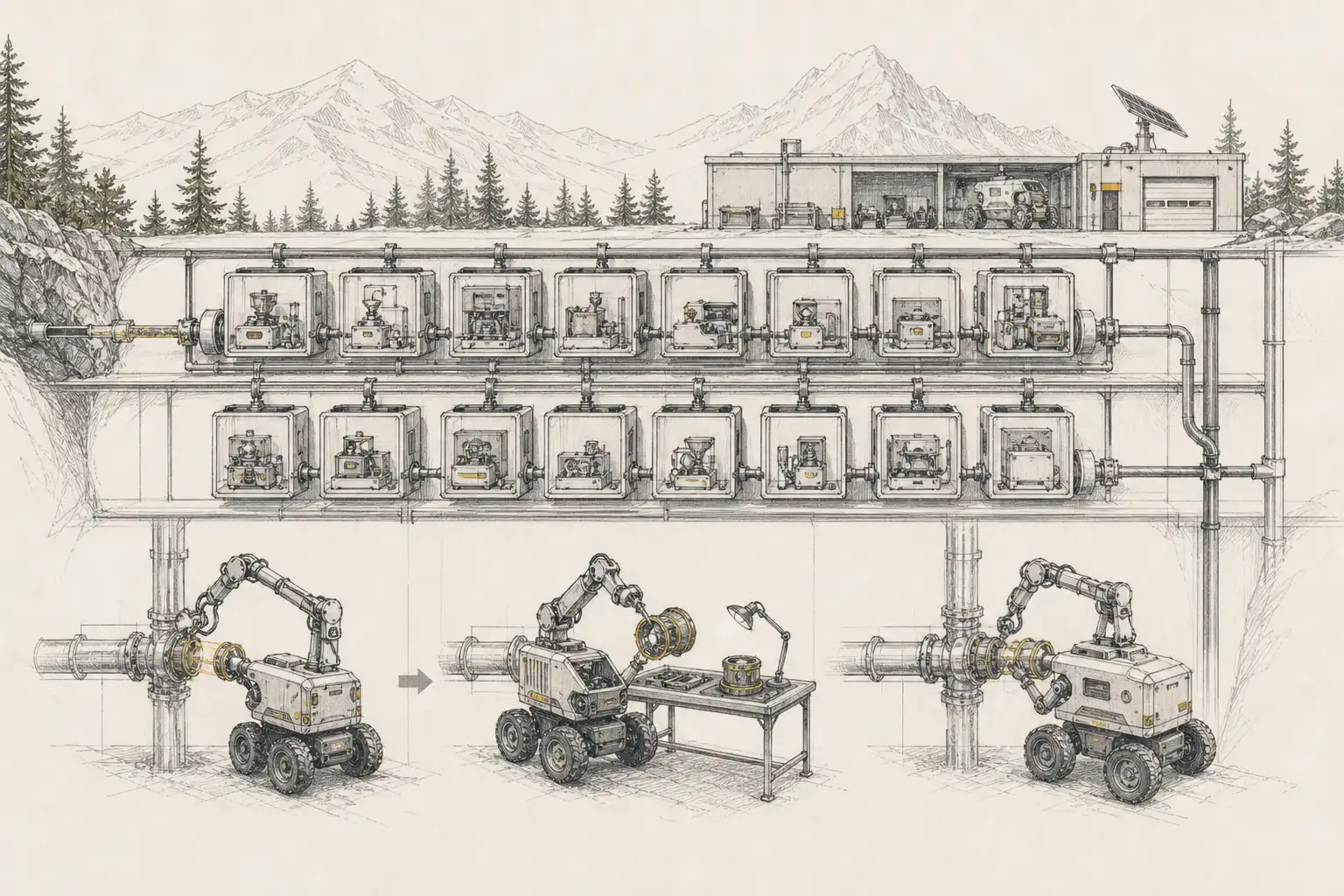
Self-Maintaining APIs
API providers should do more than announce changes: they should find affected usage and propose reviewed code updates.


