July 24, 2026 · 5 min read
Open Platforms as an AI Strategy
Andrew Ng's case for open access meets the infrastructure questions in YC's Fall 2026 batch.
Field Notes Editorial

Andrew Ng argues that control over capable models by a small number of organizations can narrow innovation and choice. Open platforms distribute the ability to experiment and reduce unilateral dependency.
For startups, openness is not an abstract position. It affects procurement, portability, margins, and the ability to operate a product for years. A company built on one model or cloud interface inherits that provider's technical and political risks.
The Fall 2026 requests reflect this tension. Small software needs a simple secure runtime; self-maintaining APIs need dependable interfaces; physical operating systems must coordinate different agents and hardware. Openness is valuable when it produces practical substitutability.
Complete openness does not solve every problem. Operations, security, and financing still require accountable owners. The strategic question is therefore less open versus closed than: at which layer must choice remain possible?
Related content

03 developer tools
A Cloud for Small Software
Agents make bespoke tools easy to create, while deployment, permissions, and secure sharing remain needlessly difficult.
08 physical ai
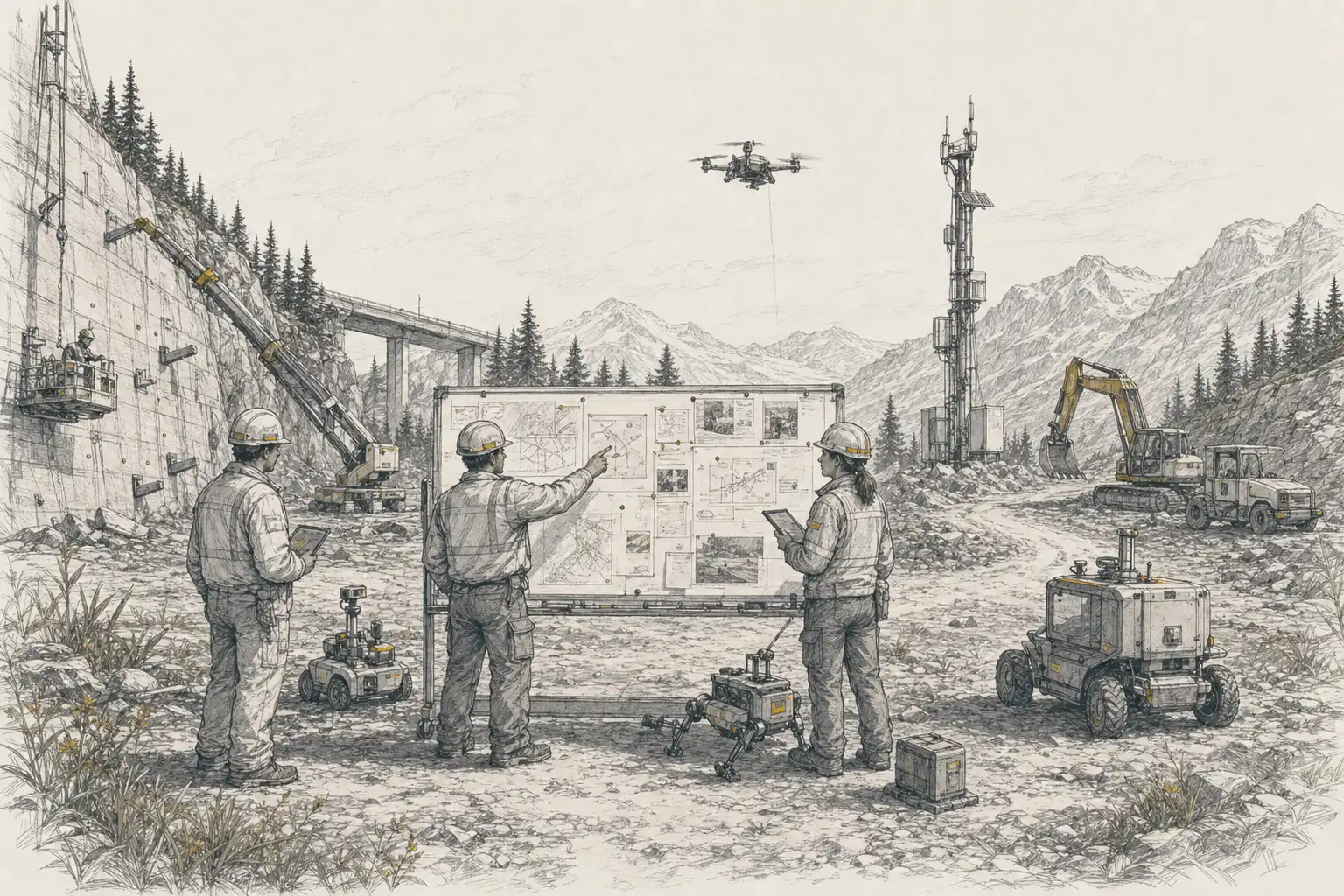
Operating Systems for the Physical World
New operating systems should plan, execute, and document work shared by humans, robots, and AI agents.

13 developer tools
Self-Maintaining APIs
API providers should do more than announce changes: they should find affected usage and propose reviewed code updates.


